
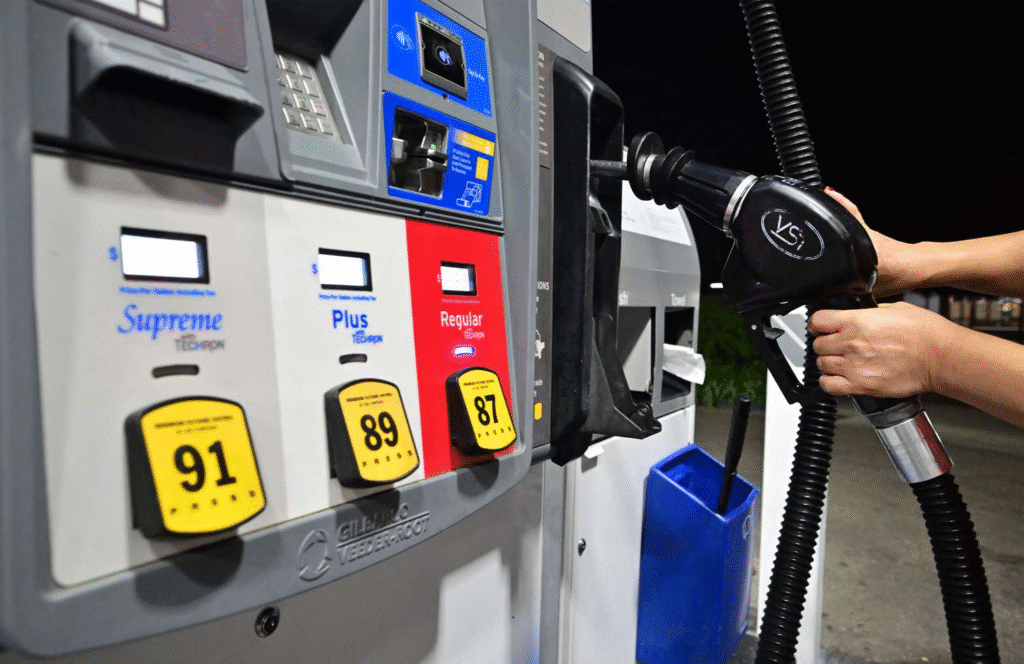
If you’ve recently noticed your local gas station prices creeping upward, you’re not alone. After a brief period of relief, the cost to fill up your tank is once again rising across the United States. Many Americans are asking the same question: Why are gas prices rising again in America?
The answer is complex — and it’s not just about oil. From global supply disruptions to refinery bottlenecks and government policies, several interconnected factors are pushing prices higher. Let’s break it down clearly and simply.
Understanding the gas prices USA 2025
Gas prices are influenced by multiple economic and geopolitical forces. To understand the real reason gas prices are rising again in America, we need to look at what’s happening both internationally and domestically.
1. The Global Oil Market Is Tightening
One of the biggest drivers of rising gas prices is the tightening of global oil supply. Major oil-producing nations — especially those in OPEC+ — have recently decided to cut production to stabilize prices in their favor.
When oil supply goes down while demand remains steady, prices inevitably climb. According to CNBC, Saudi Arabia and Russia extended their voluntary oil output cuts through the end of this year, putting additional upward pressure on global prices.
2. The U.S. Refinery Problem
Even if crude oil prices were stable, America faces another issue — limited refining capacity. Many U.S. refineries closed or reduced operations during the pandemic, and new ones haven’t replaced them at the same pace.
That means even when crude oil is available, there aren’t enough refineries to turn it into gasoline efficiently. This bottleneck drives retail gas prices higher, especially in regions like California and the Gulf Coast.
How Global Events Influence U.S. Gas Prices

1. The Russia–Ukraine Conflict
The ongoing war in Ukraine continues to affect global oil distribution. Sanctions on Russian oil have reshaped trade routes, forcing countries to pay more for fuel imports and shipping logistics. As a result, the ripple effects reach U.S. markets too.
As Bloomberg reports, global uncertainty around energy supplies keeps traders cautious — and that caution translates into higher prices at the pump.
2. Rising Demand After a Slowdown
During the COVID-19 pandemic, fuel demand dropped sharply. But with the economy reopening, Americans are driving more than ever. Increased travel, freight transport, and industrial demand are all putting additional strain on supply chains.
When demand increases faster than supply, prices surge. That’s exactly what’s happening now across the U.S.
The Role of U.S. Policies and Economic Factors
1. Federal Energy Policies
Some experts point to domestic energy policies as another reason gas prices are rising. Restrictions on new drilling permits, environmental regulations, and the slow transition to renewable energy have created uncertainty for oil producers.
However, as CNN notes, energy policy is just one piece of the puzzle. Even with more drilling, refining and global market issues would still keep prices high.
2. Inflation and the Strong Dollar
Gas prices don’t rise in isolation — they’re also tied to inflation and the value of the U.S. dollar. When inflation is high, operational and transport costs increase, leading to higher pump prices.
Interestingly, a stronger dollar can sometimes offset global oil prices because it makes imports cheaper. But when inflation outpaces that benefit, consumers still end up paying more.
How Rising Gas Prices Affect Everyday Americans
1. Higher Transportation Costs
When gas prices go up, everything that relies on transportation becomes more expensive — from groceries to shipping costs. Trucking and delivery companies often pass those costs to consumers.
2. Pressure on Household Budgets
According to the U.S. Energy Information Administration, the average American household spends between 2% and 3% of its annual income on gasoline. Even small increases can significantly impact monthly budgets.
3. Ripple Effects on the Economy
Persistent high gas prices can slow down overall economic growth. When consumers spend more on fuel, they cut back on discretionary spending, affecting sectors like retail, dining, and entertainment.
What You Can Do to Cope with Rising Gas Prices
While you can’t control global oil markets, you can take practical steps to minimize the impact.
1. Drive Smart and Maintain Your Vehicle
Simple changes — like maintaining proper tire pressure, avoiding idling, and driving at moderate speeds — can improve fuel efficiency by up to 10%.
2. Use Fuel Rewards and Discount Apps
Apps like GasBuddy or loyalty programs offered by major fuel stations can save you several cents per gallon.
3. Consider Carpooling or Alternative Transportation
If possible, share rides to work or use public transport. Even cutting out two solo commutes a week can make a noticeable difference over time.
The Road Ahead: Will Gas Prices Fall Soon?
Analysts are cautiously optimistic that gas prices might ease in the coming months, depending on global oil production and U.S. refinery output. However, geopolitical uncertainties and seasonal demand spikes (like holiday travel) could keep prices elevated for longer.
Energy experts from U.S. Energy Information Administration (EIA) suggest that while prices may stabilize, significant drops are unlikely unless global supply chains normalize.
FAQs About Why Gas Prices Are Rising Again in America
Q1: What is the main reason gas prices are rising again in America?
The main reason gas prices are rising again in America is the global reduction in oil supply from OPEC+ countries combined with limited U.S. refinery capacity.
Q2: Will gas prices in America go down soon?
Prices may ease slightly if oil production increases or demand slows, but persistent supply issues and geopolitical risks make a major decline unlikely in the near future.
Q3: How do government policies impact gas prices?
Government policies affect production, distribution, and environmental standards. While they play a role, global supply and demand usually have a much larger impact.
Final Thoughts
The real reason gas prices are rising again in America isn’t just one single issue — it’s a combination of global supply cuts, refinery shortages, inflation, and strong consumer demand.
While short-term relief may come and go, long-term solutions will require balancing energy independence, sustainable policies, and global cooperation.
For now, staying informed, conserving fuel, and managing personal budgets wisely are the best ways to handle the ongoing surge at the pump.
Also Read: Why Everyone’s Talking About the New U.S. Budget Plan 2025
External Sources: