
Across the United States, schools are facing difficult choices — and one of the most heartbreaking is cutting staff from special education departments. These “special education layoffs” are more than just numbers on a spreadsheet. They represent real people, students who depend on consistent support, and educators who’ve dedicated their lives to inclusive learning.
In this post, we’ll explore the main special education layoffs reasons, what’s driving these budget cuts, and how they’re already reshaping the classroom experience for millions. More importantly, we’ll discuss how these changes could affect every one of us — parents, students, educators, and taxpayers alike.
Understanding the Special Education Layoffs Reasons
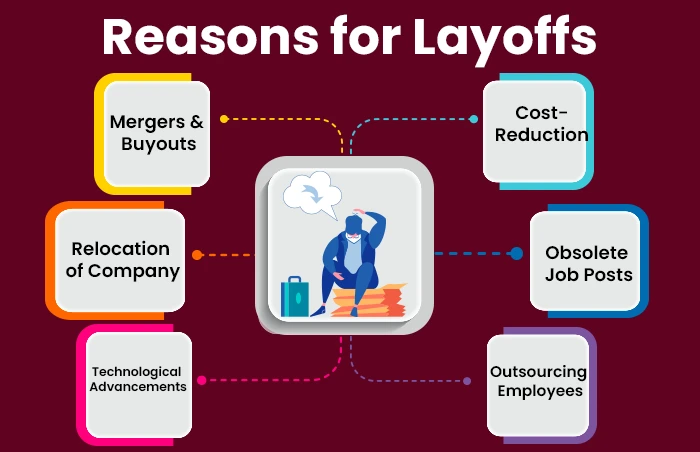
Layoffs in special education aren’t happening in isolation. They’re the result of multiple financial, policy, and administrative factors that have been building for years. Let’s break down the core reasons behind this trend.
Shrinking School Budgets and State Funding Gaps
One of the most significant special education layoffs reasons is the widening gap between federal mandates and actual funding. The Individuals with Disabilities Education Act (IDEA) legally requires schools to provide services for students with disabilities — but the federal government funds less than 15% of the cost, leaving states and districts to cover the rest.
When states face economic downturns, they often reduce school budgets, forcing districts to make painful cuts. Unfortunately, special education is often among the hardest hit.
According to CNN Education, several districts have already reported layoffs due to federal relief funds expiring post-pandemic.
Expiration of COVID-19 Relief Funds
During the pandemic, the federal government allocated billions through the Elementary and Secondary School Emergency Relief (ESSER) funds. Many districts used this temporary funding to hire more staff — including special education teachers and paraprofessionals — to meet increased student needs.
Now, as those funds dry up, schools can no longer sustain those positions. This sudden financial cliff has led to widespread layoffs in 2025, particularly in support-heavy departments like special education.
As reported by Bloomberg Education, more than 40% of districts expect to face budget shortfalls as ESSER funds end this fiscal year.
Teacher Shortages and Burnout Compounding the Problem
Even before layoffs began, the special education workforce was already in crisis. Many teachers were leaving due to burnout, high workloads, and lack of administrative support. Now, with layoffs, the remaining staff are stretched even thinner — making retention even harder.
This vicious cycle of overwork and under-support has led to declining morale and increased resignations, amplifying the shortage.
The U.S. Department of Education notes that special education is one of the top five fields experiencing “chronic staffing shortages” nationwide.
How Special Education Layoffs Affect Students, Families, and Communities
The effects of special education layoffs ripple far beyond classrooms. When these services are reduced, students lose the individualized attention they need, and the consequences can last a lifetime.
Direct Impact on Students with Disabilities
Fewer teachers mean larger caseloads. Students who once received one-on-one or small group instruction may now have to share limited resources with many others. This leads to slower progress, behavioral challenges, and in some cases, failure to meet Individualized Education Plan (IEP) goals.
Parents are reporting growing frustration as schools struggle to deliver on legally required services — something that could lead to legal action against districts already facing financial strain.
Emotional and Academic Toll on Teachers
Layoffs don’t just affect those who lose their jobs. Teachers who remain often experience “survivor’s guilt” — the emotional stress of seeing their colleagues leave while trying to cover multiple roles.
In special education, where individualized care is essential, this added workload can reduce teaching quality and lead to burnout, causing even more resignations.
Long-Term Community and Economic Impact
Cutting special education staff today may save money in the short term, but the long-term costs could be devastating. When children with disabilities don’t receive proper education and support, they face limited opportunities for employment and independence later in life.
This can lead to increased reliance on public services — creating higher costs for taxpayers down the road. In other words, short-term savings today may lead to long-term societal losses tomorrow.
For a deeper analysis of education funding and policy, see U.S. Department of Education’s official resources.

What Can Be Done to Address the Crisis
Despite the grim outlook, there are proactive steps policymakers, educators, and communities can take to mitigate the effects of special education layoffs and protect vulnerable students.
Push for Sustainable Federal and State Funding
The first step is addressing the root issue — inadequate funding. Advocates are urging Congress to fulfill its original IDEA promise of covering 40% of costs, which would stabilize districts nationwide.
Citizens can support this effort by reaching out to representatives and pushing for legislation that prioritizes special education equity and teacher retention.
Invest in Teacher Retention and Mental Health
Districts must focus on keeping experienced teachers by improving working conditions, offering better pay, and providing mental health resources. Retention costs less than recruitment, and preserving skilled educators ensures continuity for students.
Some schools have started offering hybrid work options, flexible scheduling, and wellness programs to combat burnout — small but meaningful steps toward sustainable change.
Encourage Community Involvement and Awareness
Parents and local organizations can play a vital role by volunteering, donating resources, or joining local school boards. Increased community involvement can ease some burdens and build public pressure for better policies.
Raising awareness on social media and through advocacy campaigns also helps ensure special education remains a national priority.
Why This Issue Matters to Everyone
Even if you don’t have a child in special education, this issue still affects you. Public education shapes the fabric of our society — and when one part weakens, the whole system feels the strain.
Special education represents our collective promise that every child deserves a fair chance, regardless of ability. Allowing budget cuts and layoffs to erode that promise is a step backward — not just for schools, but for our shared humanity.
FAQs About Special Education Layoffs Reasons
Q1: What are the main special education layoffs reasons in 2025?
The main reasons include expiring federal relief funds (ESSER), reduced state budgets, teacher burnout, and ongoing staffing shortages across districts.
Q2: How do special education layoffs affect students with disabilities?
Layoffs lead to larger caseloads and reduced individualized attention, which can hinder academic progress and limit access to critical support services.
Q3: What can schools or parents do to help?
Schools can advocate for better funding, invest in teacher retention, and engage the community. Parents can join advocacy groups or contact local representatives to push for equitable education funding.
The special education layoffs reasons tell a powerful story — one about funding gaps, teacher burnout, and policy missteps. But it’s also a story about resilience and the fight for inclusion.
Every student deserves support, and every teacher deserves respect. By understanding the causes and acting together, we can ensure that special education remains a cornerstone of equality, not a casualty of budget cuts.
Would you like me to add internal linking suggestions (for your previous education-related or news-related blogs) before you publish it on your site?
Also Read: Why Everyone’s Talking About the New U.S. Budget Plan 2025


Pingback: Key US Policy Changes 2025: What You Should Know